How the Internet works
The internet is a global network of interconnected computers and devices that communicate with each other using a standardized set of protocols.
Here's a simplified overview of how it works:Devices:The internet is made up of billions of devices, including computers, servers, smartphones, tablets, routers, and more. Each device connected to the internet has a unique identifier called an IP (Internet Protocol) address, which allows it to send and receive data.
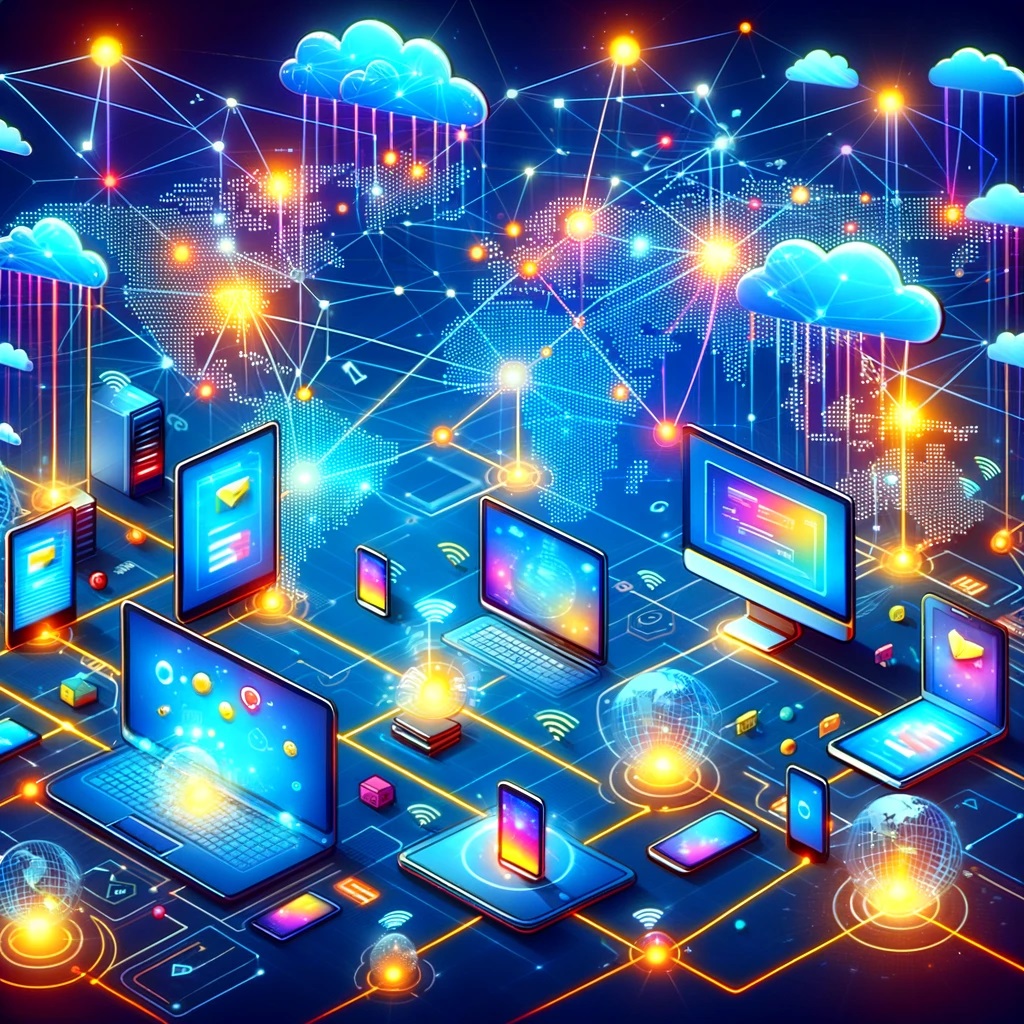 Data Transmission: When you access a website, send an email, or stream a video, data is broken down into small packets by your device. These packets contain both the data being transmitted and addressing information (source and destination IP addresses).
Protocols: The internet relies on a set of standardized protocols to ensure that devices can communicate with each other regardless of their differences.
Some of the key protocols include:
Transmission Control Protocol (TCP): TCP breaks down data into packets, manages the transmission of these packets, and ensures that they are delivered reliably and in the correct order.
Hypertext Transfer Protocol (HTTP): HTTP is used for transmitting web pages and other content on the World Wide Web.
Hypertext Transfer Protocol Secure (HTTPS): This is a secure version of HTTP that encrypts data transmitted between the user's browser and the website.
Domain Name System (DNS): DNS translates human-readable domain names (e.g., www.example.com) into IP addresses that computers can understand.
 Ethernet, Wi-Fi, and other physical and data link layer protocols: These protocols govern the physical transmission of data over cables, wireless connections, and other mediums.
World Wide Web (WWW):
The World Wide Web is a collection of interconnected documents and other resources, linked by hyperlinks and URLs. It's just one part of the broader internet, but it's the part that most people interact with on a daily basis.
The Internet works through a complex system of interconnected networks, devices, and protocols, enabling the exchange of data and communication across the globe.